
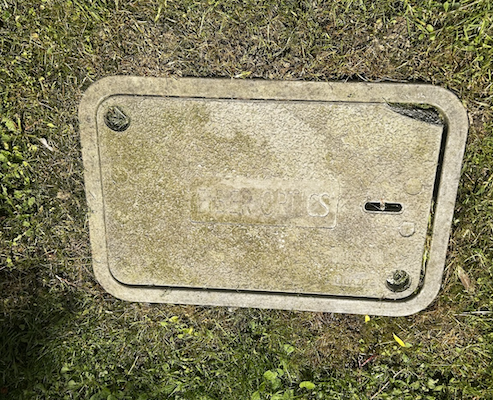
What Are Those Beige Covers in the Ground?
Understanding Fiber Optic Handholes in the Dryden Fiber Network
As Dryden Fiber continues expanding high-speed internet service across our community, residents may notice small beige or tan covers appearing near roadsides, lawns, or sidewalks. These underground access points are called handholes (sometimes called vaults), and they are a critical part of building and maintaining a modern fiber-optic network.
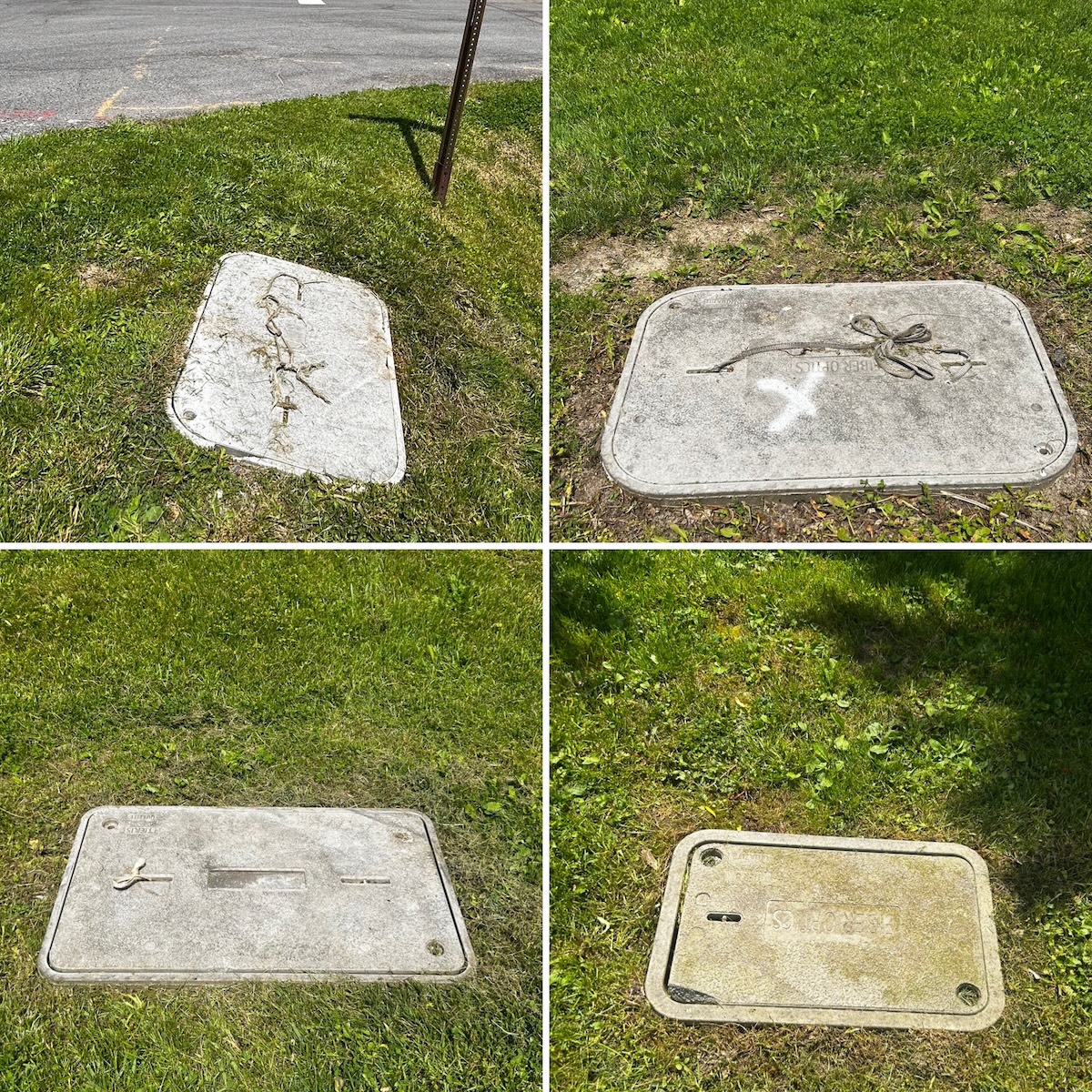
These enclosures allow technicians to safely access fiber-optic cables without having to excavate or disturb large sections of property when maintenance or upgrades are required. Rather than digging up an entire cable route, technicians can open a handhole to inspect, splice, route, or repair fiber connections.
Unlike large utility manholes that people can climb into, handholes are shallow structures designed specifically for cable access and storage. They help protect delicate fiber optic cables while keeping the network organized, expandable, and serviceable for decades to come.
Why Does Dryden Fiber Use Handholes?
There are several important reasons:
Faster Repairs and Maintenance
If a fiber cable is damaged or needs servicing, technicians can access the network quickly through a nearby handhole instead of digging up yards or roadways.
Future Expansion
Handholes make it much easier to connect additional homes, businesses, and neighborhoods as the network grows over time.
Protecting Fiber Cables
Fiber optic cables are extremely durable once installed, but they still require protected access points where cables are joined, routed, or stored. Handholes shield those connections from weather, water, lawn equipment, and accidental damage.
Cleaner Neighborhood Appearance
While most of the Dryden Fiber network is aerial (on existing utility poles), from time to time, we run the network underground. The primary cases: all other utilities on the road or in the neighborhood are underground; or there is a gap between existing utility poles and the best way to cross the gap is with an underground run. Most of these runs are in the right-of-way of roads (within 25 feet of the center line, usually right on the shoulder of the road beyond the white line). Handholes allow the infrastructure to remain out of sight while still providing safe access when needed.
Reducing Future Excavation
Because technicians can access cables through handholes, future work often requires far less digging and disruption.
What Is Inside a Handhole?
Inside, there may be:
- Fiber optic splice cases
- Slack loops of fiber cable
- Pulling points for future cable installation
- Network routing equipment
Our handholes contain no active electronics or power. They serve as protected underground access points for the fiber network.
Why Are the Covers Different Colors and Sizes?
Handhole covers vary depending on how many cables or conduits need to pass through the location.
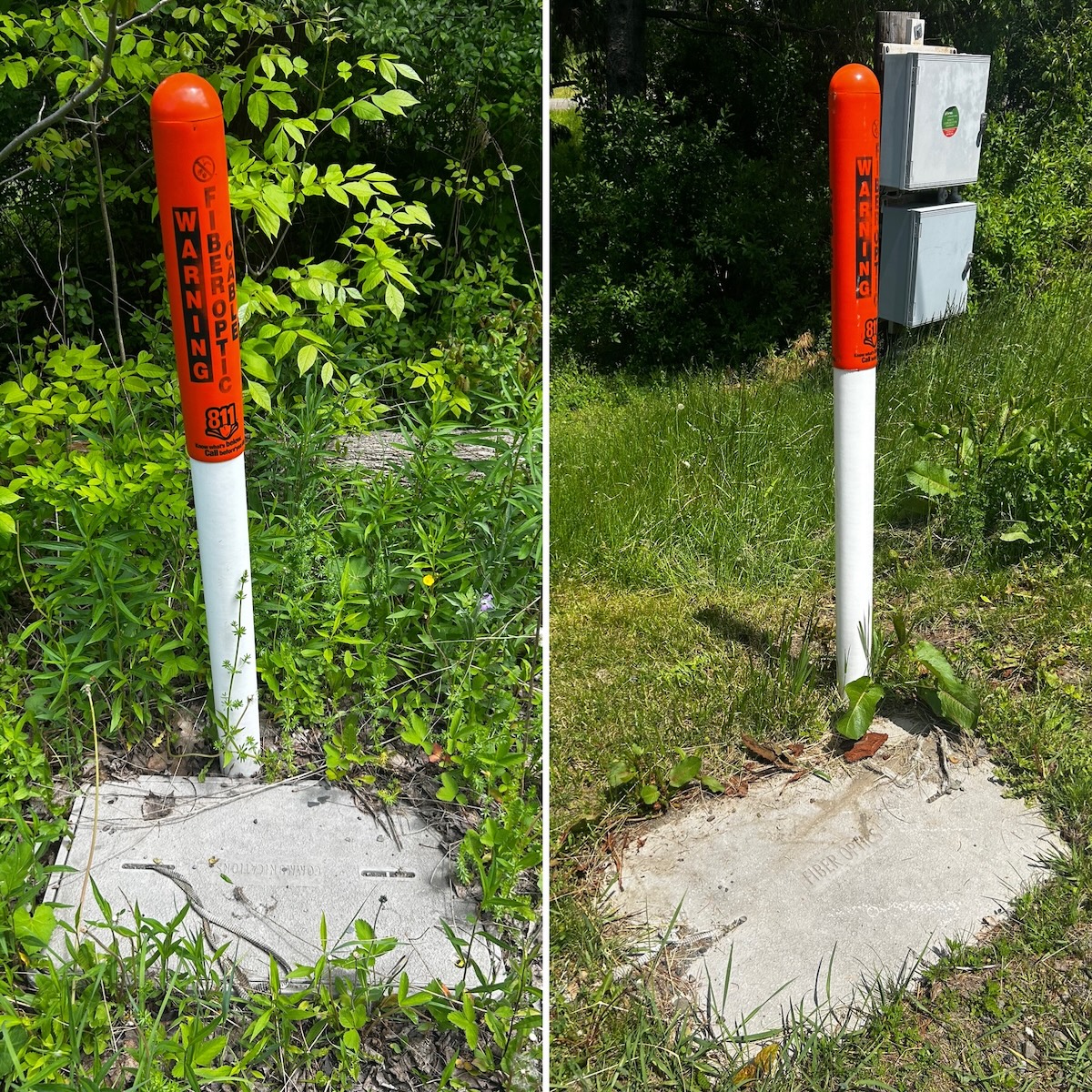
Many covers are labeled “FIBER OPTIC” or “FIBER” to clearly identify the infrastructure below. Some are designed for pedestrian areas, while others are rated to withstand vehicle traffic.
Are Handholes Permanent?
Yes. Handholes are intended to remain part of the long-term communications infrastructure, much like water valves, sewer access points, or electric utility equipment. They are designed to sit flush with the ground and blend into the surrounding area as much as possible.
During construction, surrounding lawns or roadside areas may temporarily look disturbed, but Dryden Fiber works to restore affected areas after installation.
Building the Infrastructure for the Future
Reliable internet service depends on much more than the fiber cable itself. The underground access points, conduits, splice locations, and protective infrastructure all work together to create a resilient network that can serve the community for decades.
While handholes may look simple from the surface, they are one of the key building blocks that make modern fiber optic internet possible.
As Dryden Fiber continues to expand service throughout the Town of Dryden, including the villages of Dryden and Freeville, these small covers represent something much larger: long-term investment in locally owned broadband infrastructure for our community.